If you can hear that your pronunciation sounds wrong, but you still cannot fix it, the problem probably is not effort.
Most learners are told to listen and repeat. ME2G shows you how English sounds are physically made, then gives you guided practice until the sound starts to feel natural.
Conversation practice helps fluency. Listening helps awareness. But some pronunciation problems stay because the learner was never shown the physical movement behind the sound.
You know the word does not sound quite right, but awareness does not tell your tongue, lips, or airflow what to do.
Without a clearer model, repetition often makes the old habit stronger instead of fixing it.
If the underlying sound is unstable, full sentences only hide the problem inside faster speech.
Most learners try to fix pronunciation at the sentence level. ME2G starts lower: individual sounds first, then words, then real speech.
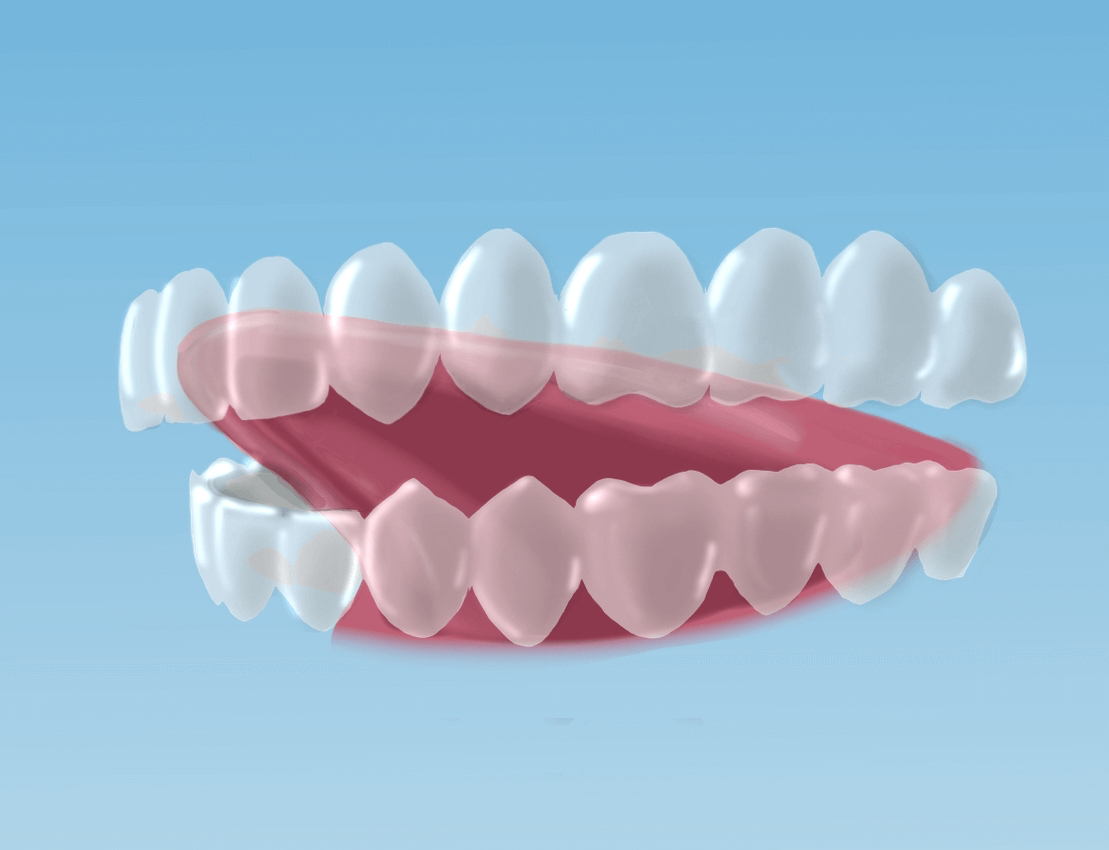
The mouth positions, tongue movements, and airflow patterns underneath English.
The same sound can be easier in one word and harder in another. That is where patterns appear.
When the building blocks improve, words and sentences finally have something stronger to stand on.
Some sounds are hard because the movement is invisible. ME2G turns pronunciation into something you can see, understand, and practice deliberately.
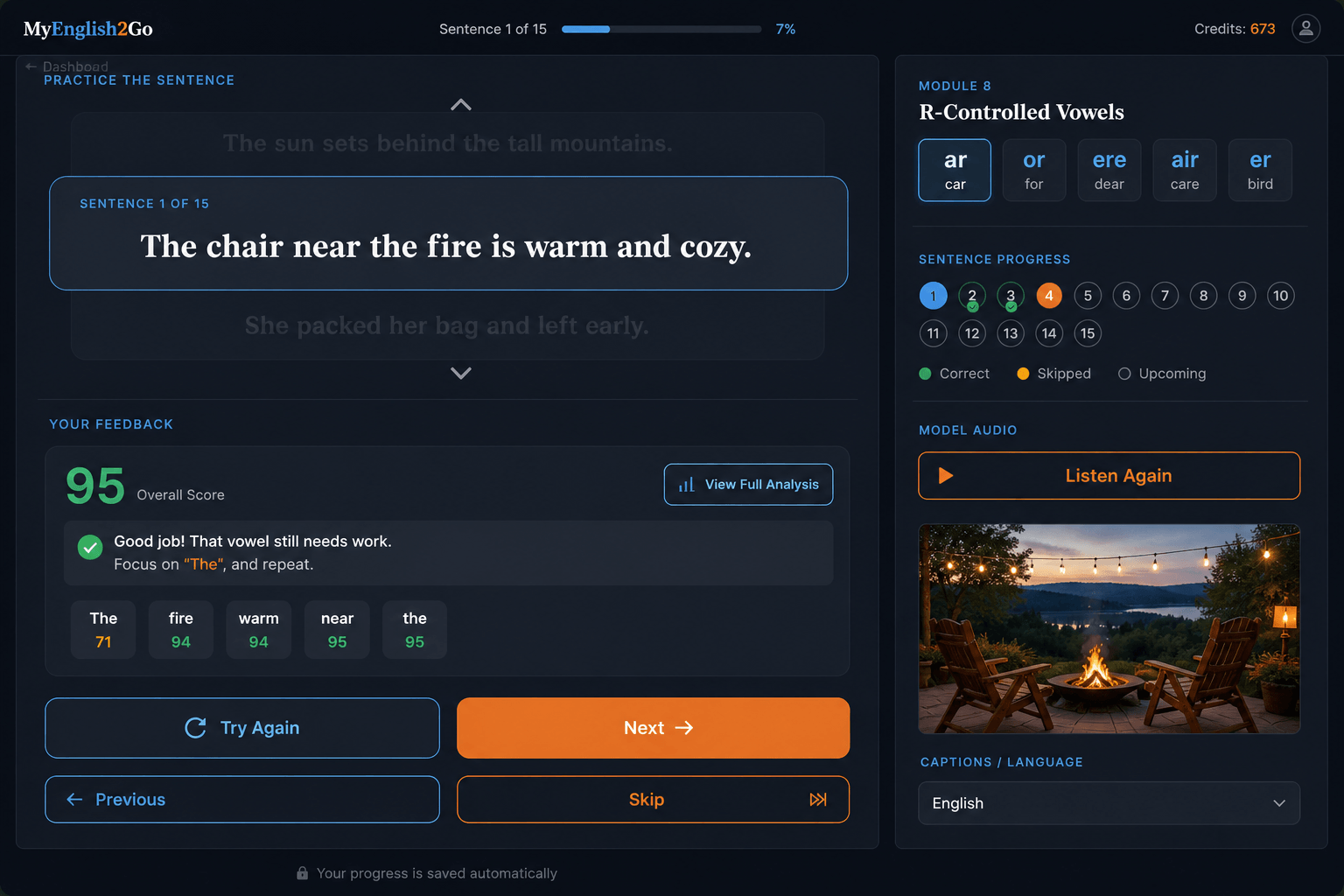
ME2G combines clear teacher-led explanations with structured practice, AI pronunciation feedback, progress tracking, and guided pronunciation challenges.
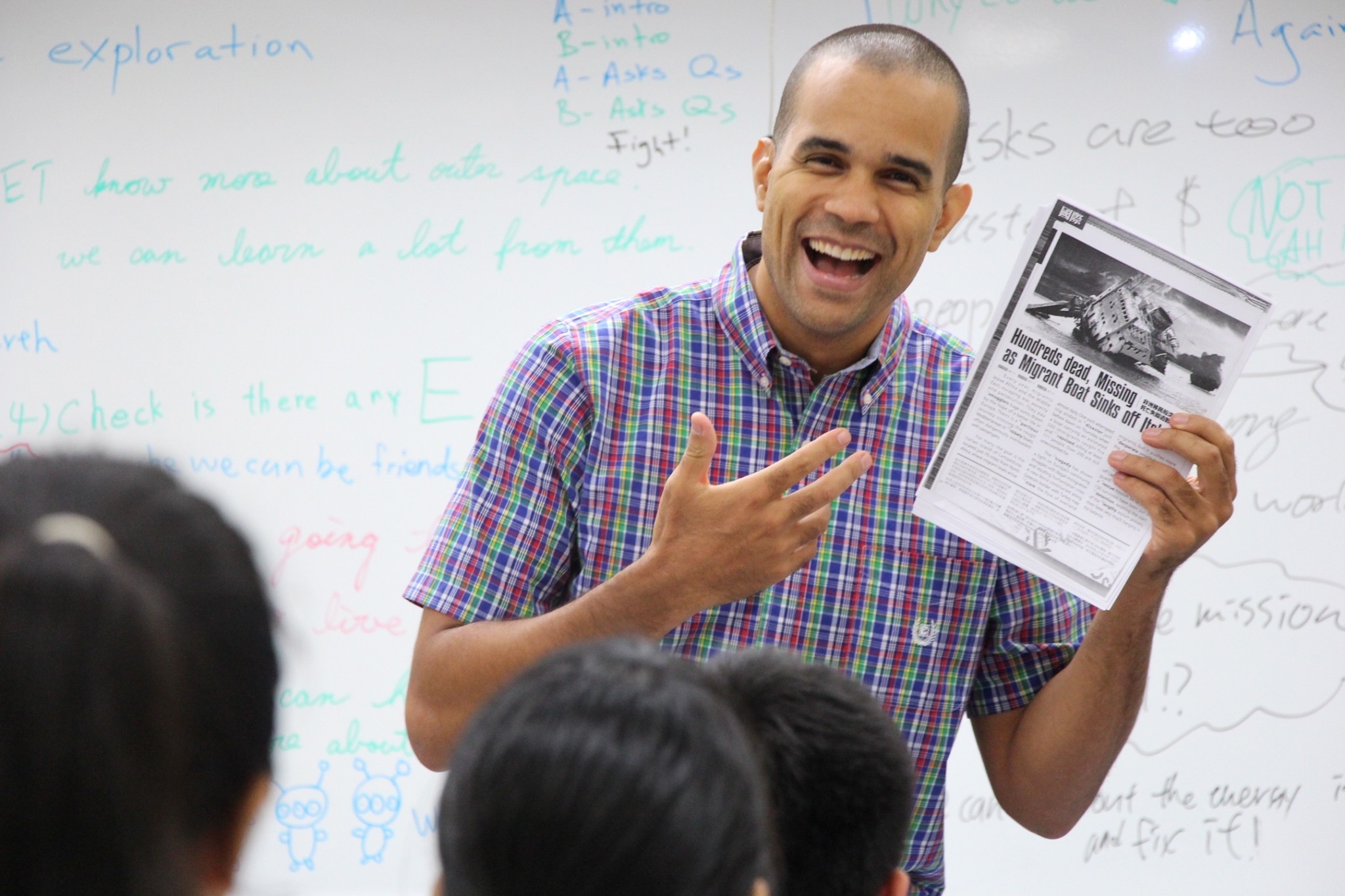
Every year, I saw strong English students struggle with one or two sounds that would not improve through normal practice.
One student could hear that his TH sound was wrong. He was not lazy. He was not confused about the word. He simply had never been shown what his mouth needed to do differently.
When students could finally see the tongue position, mouth shape, and movement behind the sound, pronunciation stopped feeling like guessing.
ME2G was built for learners who know something sounds off, but have never been given a clear physical path to fix it.
Shorter, more specific feedback beats generic praise. These are placeholders until the final testimonial edit is locked.
I thought I needed more speaking practice. What helped most was finally seeing what my mouth was supposed to do.
The animations made pronunciation much easier to explain. Students could understand the sound before practicing it.
I liked that the feedback showed patterns. It did not just tell me I was wrong. It helped me know where to start.
The Free Pronunciation Consultation listens to five short samples and highlights the recurring sound patterns worth focusing on first.